- By Admin
- 2024-06-18
- Technology
How to Choose the Right Fire Safety Equipment for Your Workplace
Fire safety is a critical aspect of any workplace, whether it’s an industrial site, office, or warehouse. Proper fire safety equipment not only protects employees but also safeguards assets and ensures compliance with regulations. Choosing the right equipment can seem overwhelming with the variety of options available. This guide will help you select the fire safety tools that best suit your workplace needs.
1. Conduct a Workplace Risk Assessment Before purchasing fire safety equipment, identify potential fire hazards in your workplace. Consider factors like flammable materials, electrical equipment, machinery, and occupancy levels. A thorough assessment helps determine the type and quantity of fire safety tools needed.
2. Select the Right Fire Extinguishers Fire extinguishers are not one-size-fits-all. Different classes of fires require different extinguishing agents:
● Class A: Combustibles like wood, paper, and cloth
● Class B: Flammable liquids like oil, paint, or gasoline
● Class C: Electrical fires
● Class D: Combustible metals
● Class K: Cooking oils and fats
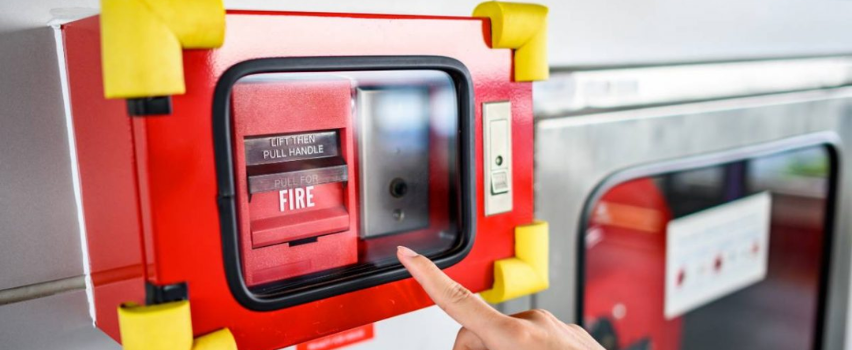
Choose extinguishers based on the hazards present in your workplace and ensure they are easily accessible.3. Install Fire Alarms and Detection Systems Early detection saves lives. Smoke detectors, heat detectors, and fire alarms alert employees to potential dangers, giving them time to evacuate safely. Integrate systems with visual and audible signals to accommodate all staff members.
4. Invest in Fire Safety Accessories Additional equipment like fire blankets, fire hoses, emergency exit signs, and fire cabinets can improve safety and compliance. Ensure that all employees know how to use them effectively.
5. Consider Accessibility and Placement Fire safety equipment should be strategically placed and easy to access. Avoid hidden corners or blocked pathways. Conduct regular checks to confirm equipment is visible, functional, and within reach.
6. Training and Maintenance Proper training ensures that employees know how to respond during a fire. Schedule regular drills and provide instructions on using extinguishers, fire blankets, and other safety gear. Maintenance is equally important inspect equipment regularly and replace or service items as needed.
Conclusion: Choosing the right fire safety equipment is a proactive step in protecting your workforce, assets, and workplace reputation. By assessing risks, selecting the correct extinguishers, installing alarms, and training your employees, you can ensure a safer environment for everyone. Prioritize fire safety today to prevent potential disasters tomorrow.